Day one of quitting feels like standing at the bottom of a hill. Day twenty-six feels different. You can see the top, and somehow it's easier.
That feeling has a name, and it's worth knowing about, because you can set up your quit on purpose to use it.
The closer you get, the harder you try
Researchers call it the goal-gradient effect. The idea is simple: motivation tends to go up as you get closer to a goal.
One well-known study looked at coffee shop loyalty cards, the kind where you collect stamps toward a free drink. In a Journal of Marketing Research study by Kivetz, Urminsky, and Zheng, as covered by Chicago Booth Review, customers visited more often as their card filled up. The time between purchases dropped by about 20 percent from the first stamp to the last.
Nothing about the coffee changed. What changed was how close the finish line felt.
The same research found something else that matters for quitting: right after people collected a reward, they slowed down, then sped up again as they worked toward the next one.
What that means for quitting
Quitting something for good is a long road, and long roads are hard to stay excited about. "Forever" is a bad finish line. It never feels close.
Here's the trick: shrink the distance you're looking at.
Pick a near finish line. Instead of "never vape again," aim at a reward you can see: seven days, a first checkpoint, something you chose for yourself. Your brain works harder for a goal that feels near.
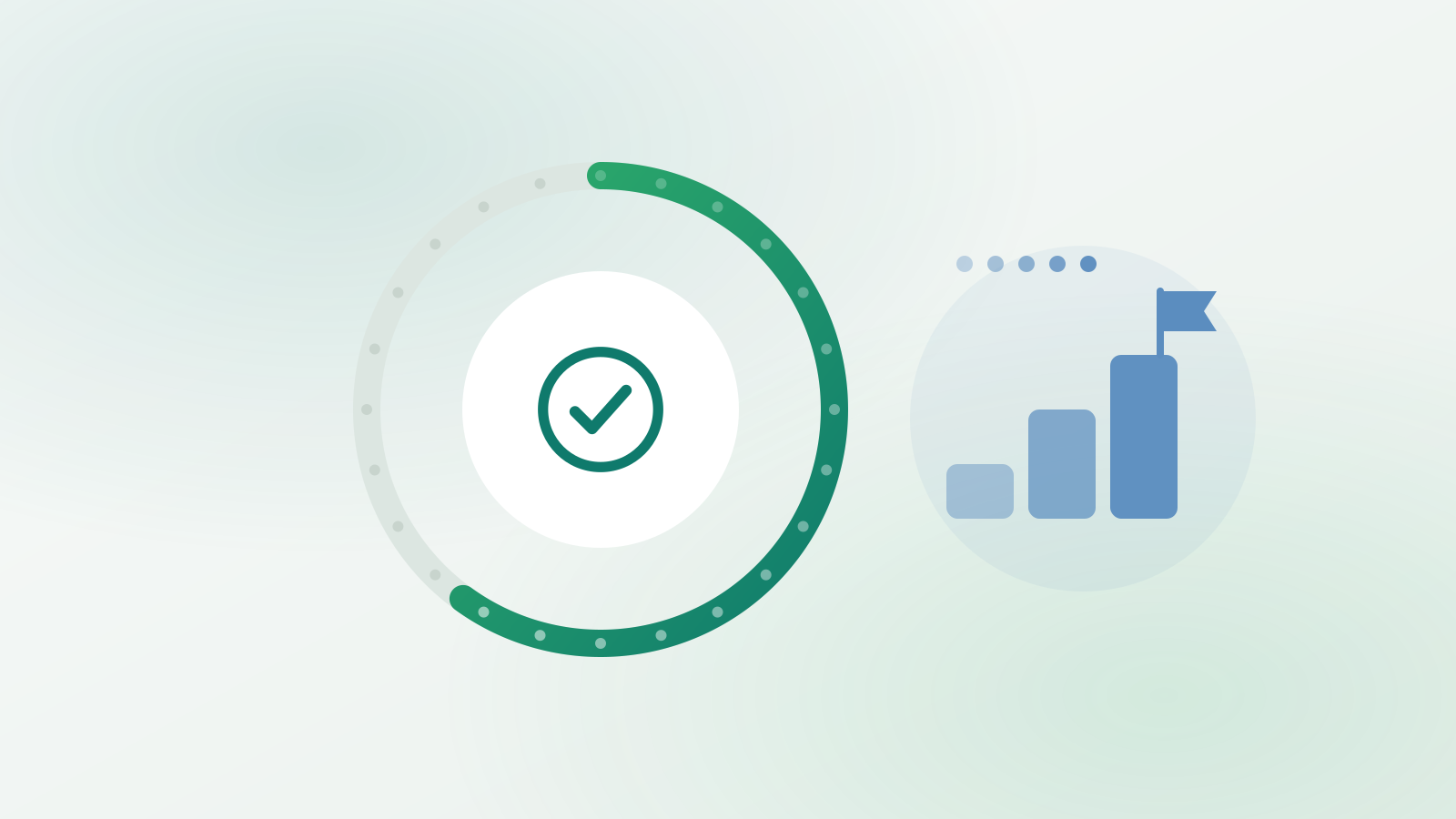
Make progress visible. A ring, a streak count, a progress bar. Seeing how much you've already done is part of what pulls you forward. If you can't see it, it's easier to feel like you're getting nowhere.
Expect the dip after a reward. If you hit a milestone and feel your motivation drop, nothing is wrong with you. The research suggests that's a normal pattern. Set the next small goal before you finish celebrating the last one.
Count what you've done, not what's left. On a hard day, look at the part of the ring that's already filled in. It's real, and it's yours.
Why we built Quitly around this
This is a big reason Quitly works the way it does. You choose a reward you actually want. Each time you resist, you earn points toward it, and the ring fills where you can see it. Streaks make later check-ins worth more, up to 5x, so the closer you get, the more each win counts.
You're not just logging whether you slipped. You're watching something real build up.
If you're in a hard moment right now
Look at how far you've come, then pick one small thing to hold out for: the next check-in, the next hour, the next day. You only need to get to the next stamp.
If you're trying to quit something with a physical dependency, like nicotine or alcohol, and quitting feels hard to manage on your own, a doctor can help you build a plan that fits you.